
Granny Annexe Pods: A UK Guide to Housing a Parent at Home
A pod in the garden can keep a parent close while everyone keeps their own front door. Before you order, it pays to understand planning permission, council tax, the right size and the real costs. Here is the honest version.
What counts as a granny annexe?
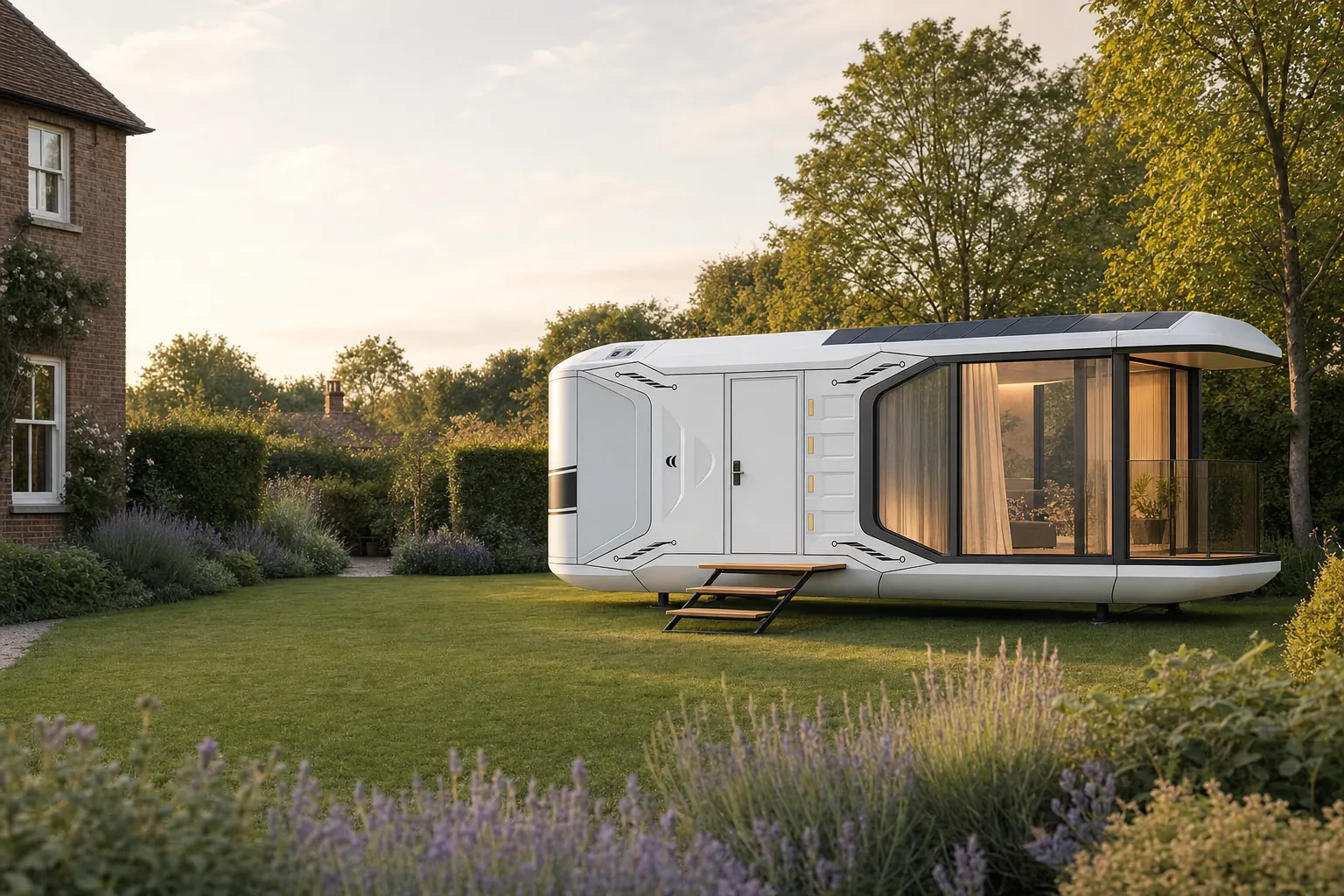
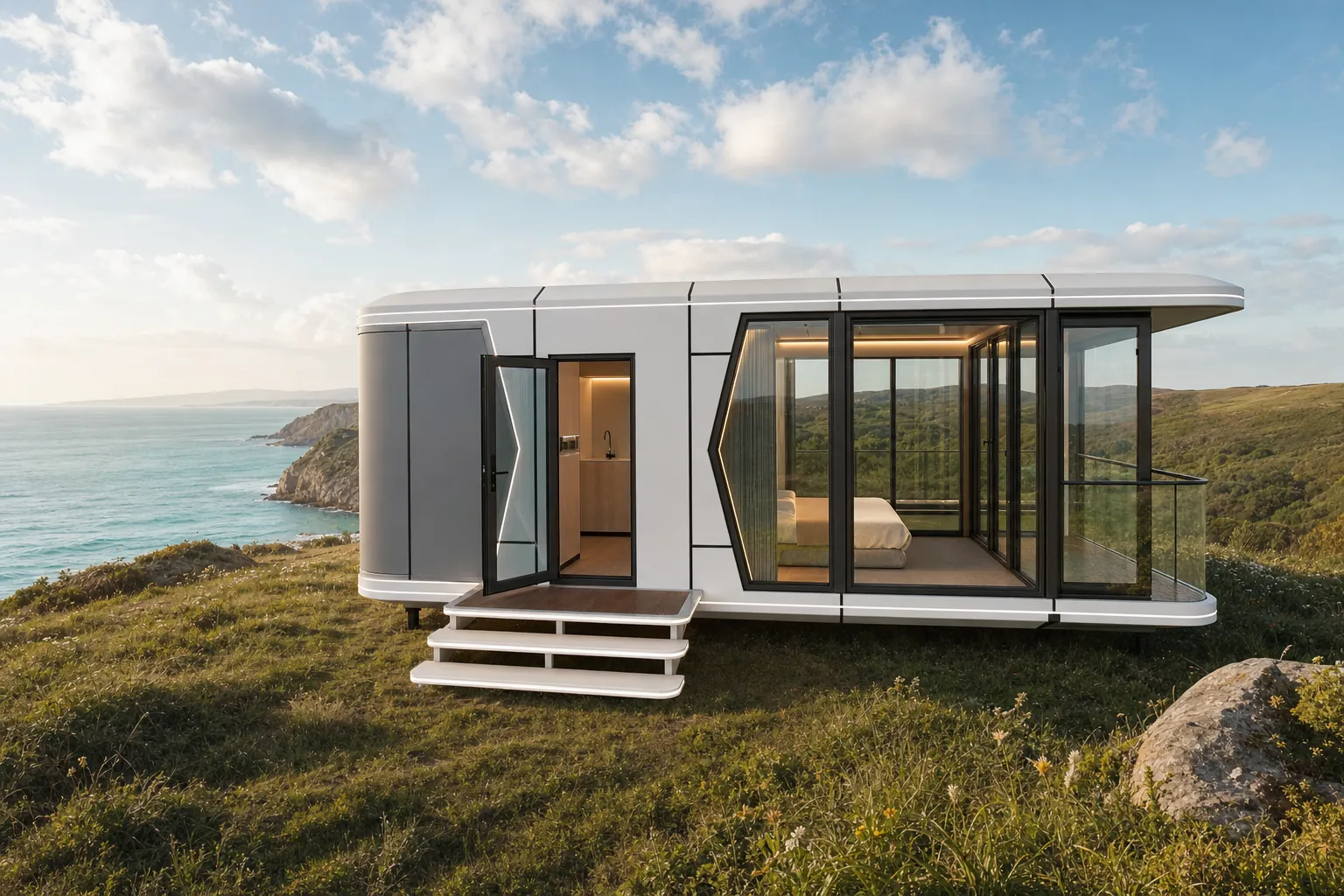
A granny annexe is a small, self-contained home in the grounds of a main house, lived in by a relative. In practice that means somewhere to sleep, wash and make a meal, with its own front door, a short walk from yours. The idea is simple: a parent keeps their independence and their own space, and help is thirty seconds away rather than thirty miles.
A factory-built pod suits this well. It arrives finished, it is lifted onto a prepared base, and the garden is not a building site for months. But an annexe is a different thing from a garden office in the eyes of the council, and that is where most families get caught out.
Do you need planning permission for a granny annexe?
Usually, yes. Many garden buildings in England can be put up under permitted development, but those rights only cover uses that are incidental to the main house, such as a home office, gym or studio. The Planning Portal guidance on outbuildings is clear that the rules do not cover use as separate self-contained living accommodation.
So if someone will sleep and live in the pod, plan on applying for permission. A few practical points:
- Talk to your council early. Many offer pre-application advice, and the planning officer will tell you what they expect to see.
- Show the link to the main house. Councils generally look more kindly on an annexe that is clearly tied to the household (shared garden, shared access, family occupant) than on something that looks like a separate dwelling.
- Check local restrictions. Conservation areas, listed buildings, National Parks and some newer estates have tighter rules.
- Ask about building regulations. Sleeping accommodation is usually treated more strictly than a shed or office, so speak to building control as well as planning.
The rules differ in Scotland, Wales, Northern Ireland and the Republic of Ireland, so always check with your own local authority. Our planning permission guide covers the basics for garden pods in general.
Council tax on an annexe
This is the part people forget. According to GOV.UK, if you create a self-contained unit such as an annexe, it can be given its own council tax band. The Valuation Office Agency makes that decision, not the council and not the supplier.
The good news is that help exists for family annexes in England. Councils commonly offer:
- A 50% discount where the person living in the annexe is a relative of the person who pays council tax on the main house.
- A full exemption where the annexe is the main home of a dependent relative, which typically means someone aged 65 or over, or someone who is substantially and permanently disabled or severely mentally impaired.
You normally have to apply, and the details vary, so check your own council's annexe page before you budget.
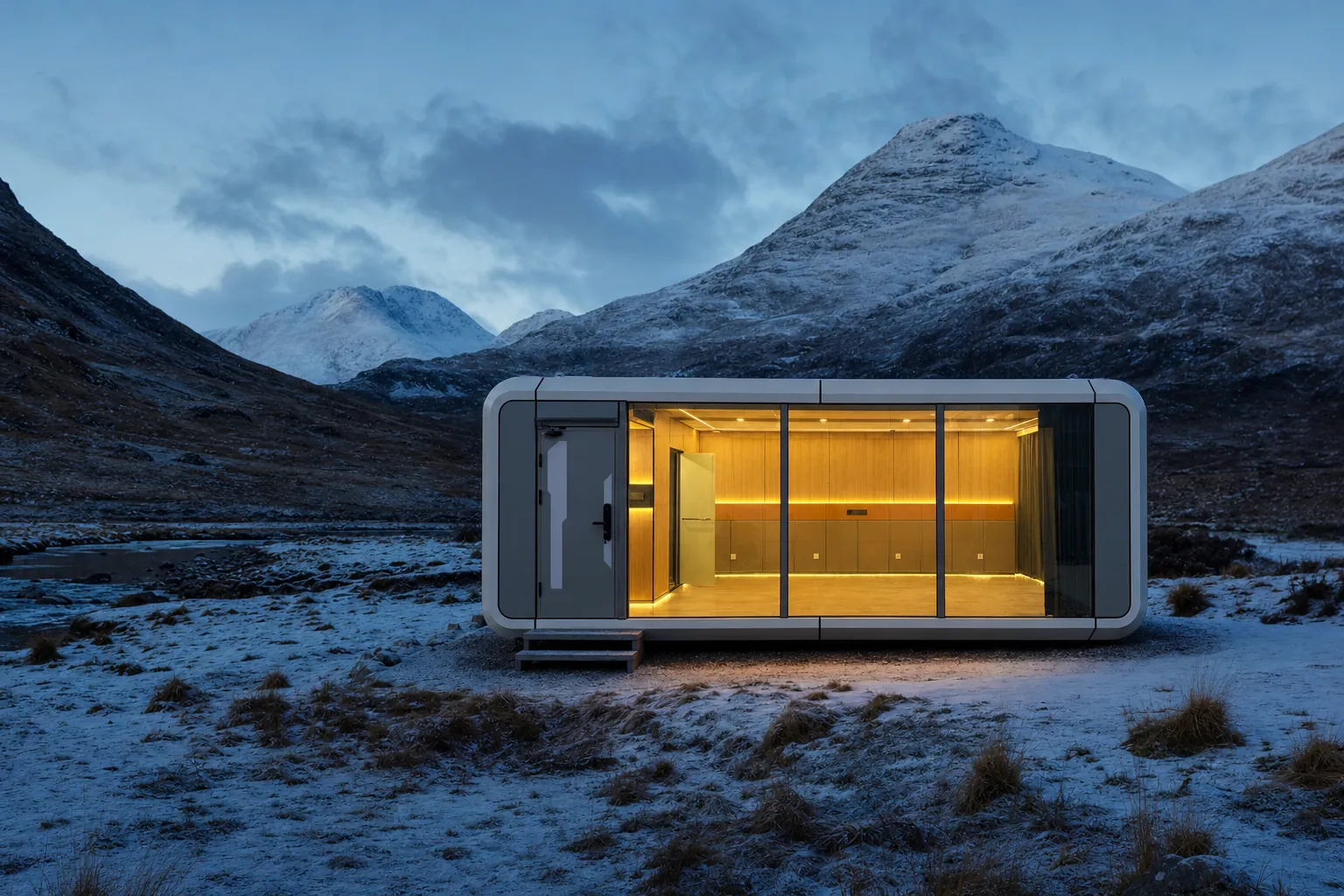
What size pod does a parent actually need?
Be honest about how the space will be used. A pod for occasional overnight stays is a very different brief from a full-time home for the next fifteen years. As a rough guide, full-time living for one person is comfortable from the high 20s of square metres upwards, with room for a real bed, a seating area, a kitchen and a bathroom.
| Model | Floor area | Price from | Best for |
|---|---|---|---|
| EcoNest | 12.8 m² | £39,750 | Guest stays and short visits |
| VitaPod | 28 m² | £50,250 | One person, full time |
| EcoPod | 29.8 m² | £44,000 | One person, full time |
| DreamBox | 29.8 m² | £53,500 | One person or a couple |
| NovaPod | 38 m² | £57,000 | A couple, with space to spare |
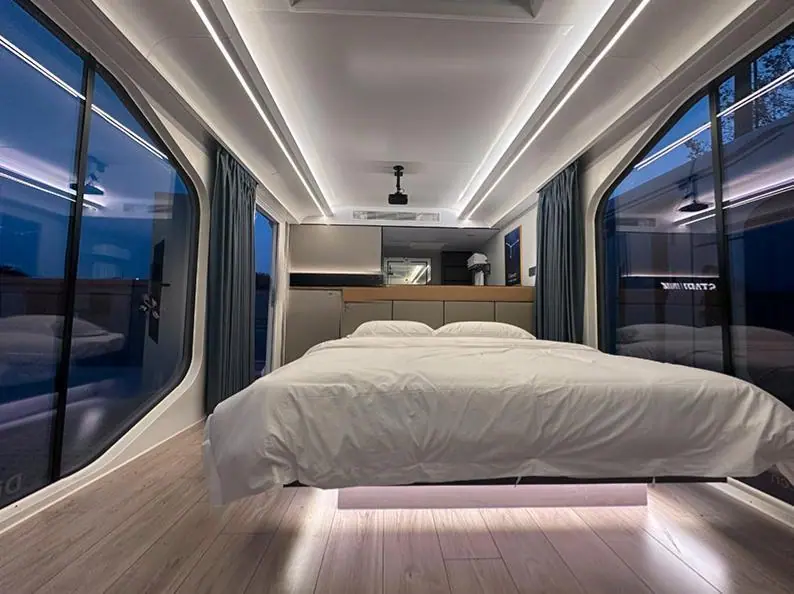
Layouts differ from model to model, so look at the floor plan and photos on each page, or browse all the pods side by side.
Designing for later life
A pod bought for a fit 70-year-old should still work at 85. Before you choose, think through:
- Getting in. A pod sits on a base, so there is normally a step up. Plan a ramp or a gently graded path, and a firm, well-lit route from the main house.
- The bathroom. Look at the door width, the shower entry and where grab rails could go. Ask us for the specification sheet for the model you like.
- Warmth. Our pods have insulated shells and double glazing designed for year-round use. Older people feel the cold more, so ask about heating for your model.
- Services. Full-time living needs dependable water, drainage and power. Local qualified trades can connect the pod to mains services, and the free solar package helps with running costs.
- Being reachable. A doorbell, good phone signal or Wi-Fi from the house, and a view between the two buildings all make daily life easier.
What it costs beyond the pod
The prices on our site include the pod with its fixed fittings, the free solar package, shipping and customs duties. On top of that, budget for:
- The base: ground screws, concrete pads or a slab
- Crane hire on delivery day, which you book locally
- Connections for water, drainage and electricity
- Planning and building control fees, plus any drawings
- Furniture, as loose furniture is not included unless you choose the furnished option
- Paths, ramp, lighting and landscaping
These vary a lot from one garden to the next, so get local quotes rather than relying on averages. Your written quote from us confirms the final price for your options and your site.
How long does it take?
Production takes 2 weeks after your deposit, and shipping and delivery typically take around 3 months after that. Planning decisions take time too, so the sensible order is permission first, pod second. A 25% deposit reserves your build slot. It is fully refundable until production begins and non-refundable after that, because each pod is made to order. Every pod comes with a 3-year warranty. How it works walks through each step, and the delivery page explains crane day.
Quick questions
Can I rent the annexe out later?
Not automatically. Planning permission for an annexe is often tied to family use with the main house. Letting it to a tenant or to holiday guests is a different use and usually needs its own permission, so ask your council first.
Does a granny annexe add value to my home?
It can make a property more appealing to buyers who want multi-generational living, but nobody can promise a figure. A local estate agent can tell you what annexes are worth in your area.
Can the pod be moved if we sell or move house?
A pod is craned into place in one piece, so in principle it can be lifted out again. In practice it depends on crane access, the base and the service connections, so treat it as possible rather than easy.
Start with a quote
If you are weighing up an annexe for a parent, the first step is knowing what the right pod would cost delivered to your garden. Tell us about your site and who the pod is for, and we will send a written quote with the price, options and timeline. More answers are in our FAQ.
Find your pod
29 models, free solar package on every pod, 3-year warranty.
Explore the pods Request a quote